The wall shield behind a workshop stove should only be selected after checking whether the appliance is intended for use in the given garage. Ventilation, the flue, and the surroundings of the stove are as important as the board material. A garage where fuels and solvents are stored requires particularly careful assessment.
List of information to check
- Furnace model and approved place of use.
- Distances from walls, equipment, and combustible materials.
- Construction of the partition: brick, wood, insulation, and hidden cables.
- Method of supplying air and ventilation of the room.
- Connection of the flue and protection of the floor.
Do not judge a wall only by the exterior paint or plaster. Combustible layers may be present underneath the surface. Objects within the required clearance zone must be removed; a board is not a way to leave fuel containers near the furnace.
The cover is a complete structure
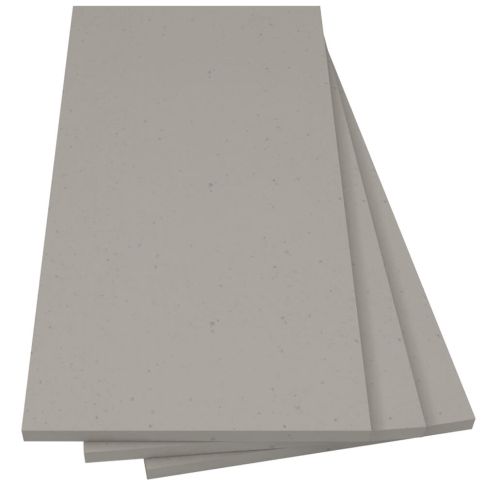
Vitcas HT board has specific applications, but its non-combustibility does not determine the appliance's distance from the wall. The design should take into account the substrate or support, fixings, joints, and any ventilated gap. If a gap is required, its inlet and outlet must remain unobstructed.
When selecting BA adhesive, check compatibility with the board and substrate. Fixing should not rely on a fragile layer of old finishing. The photograph of the board itself illustrates the material, not a confirmed layout for every garage.
What to check before starting?
After constructing the enclosure, examine the support, connections, and ventilation clearance. Also check the flue and the surface under the stove. Adhesive and finishing materials must reach the required condition before heating.
If the appliance documentation does not confirm use in a garage or the selected protection system, present the collected information to the installer. An unusual smell, signs of overheating, or smoke require determining the cause before further use, and not placing another plate on a visible mark.